
Why we need to talk about profound autism
.png)
Why we need to talk about profound autism
We've always known there is no single experience of autism. It can look very different from one person and one family to the next. At AAA, we've tried to reflect that in the stories we tell, the resources we create and the issues we advocate for.
Autism is an extraordinarily broad spectrum. There are some autistic people who live independently, work, have relationships and advocate very effectively for themselves. There are others who have profound communication, cognitive and adaptive impairments and require lifelong, 24-hour care. And there are many people whose experience sits somewhere in between.
In recent years, we've become increasingly concerned that people with the most profound disability, and the families who love and care for them, are not sufficiently visible in conversations about autism.
Internationally, the term profound autism is increasingly being used to identify this population for research, data and policy purposes.
I know there will be people who want to debate the terminology. But this is not really about the language, so let's not get stuck there. It would be lazy to let the conversation stop at what we call it when there is so much more we need to talk about.
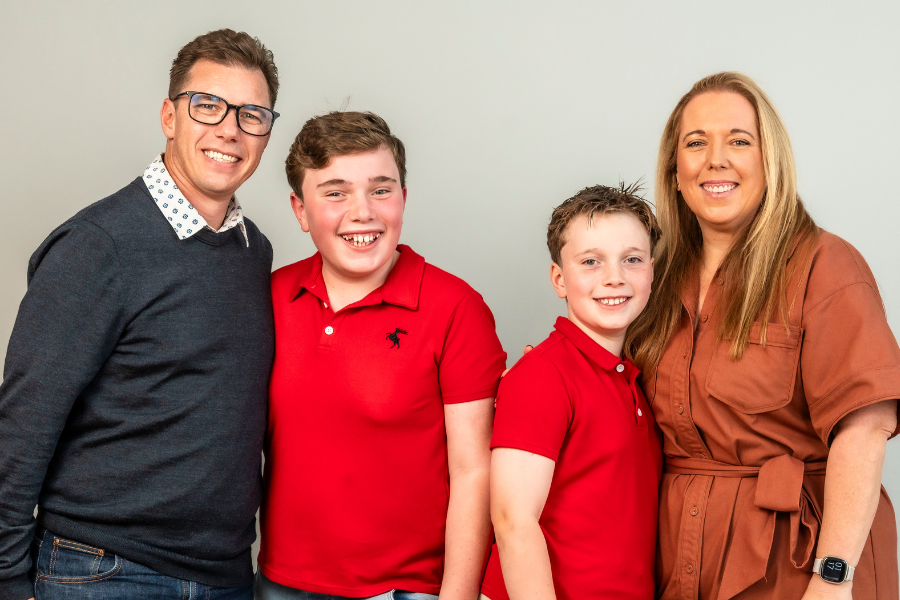
"For families, profound autism isn’t an abstract category. It’s daily life. It’s safety risks, constant supervision, and literal 24/7 support and vigilance. It means facing reality rather than watering it down with broad averages, and ensuring the people who cannot advocate for themselves are finally seen in the decisions that shape their lives.” Tim and Emily Pryde, Profound Autism Advisory Committee
After holding Australia's first Profound Autism Symposium in 2025, we knew there was more work to do. This year, AAA established our Profound Autism Advisory Committee, made up of parents and carers of people with profound autism.
The Committee has spent much of this year engaging with government about how people with profound autism are not adequately represented within the National Autism Strategy. That work led to this position paper, developed by the Committee with the support of AAA, which sets out seven practical reforms for Australia.
" We wrote this position paper because Australia cannot build effective autism policy while a quarter of the autistic population remains largely invisible in data, research and service design. Families living with profound autism know the reality of 24-hour support, high medical and behavioural complexity, and lifelong dependence on systems that were never designed with their children in mind.” Tim and Emily Pryde, Profound Autism Advisory Committee
I am incredibly proud that AAA has created a platform for this group of parents and carers, and even prouder to stand behind them as they publish this paper.
I know some people in our broader community will be uncomfortable with it. Some will disagree with what the Committee is proposing. That's okay. But disagreement isn't a reason to stop having this conversation. We will continue it for as long as it needs to be had.
We need to make room in the autism community for the experiences that are easy to celebrate, and for the realities that are harder to look at.
To families whose children have severe and profound autism, I want you to know that you will always have a home at Autism Association of Australia.
We see your children. We see you. You are one of us.
Please read the paper with an open mind and, most importantly, listen to what these families are asking us to see.
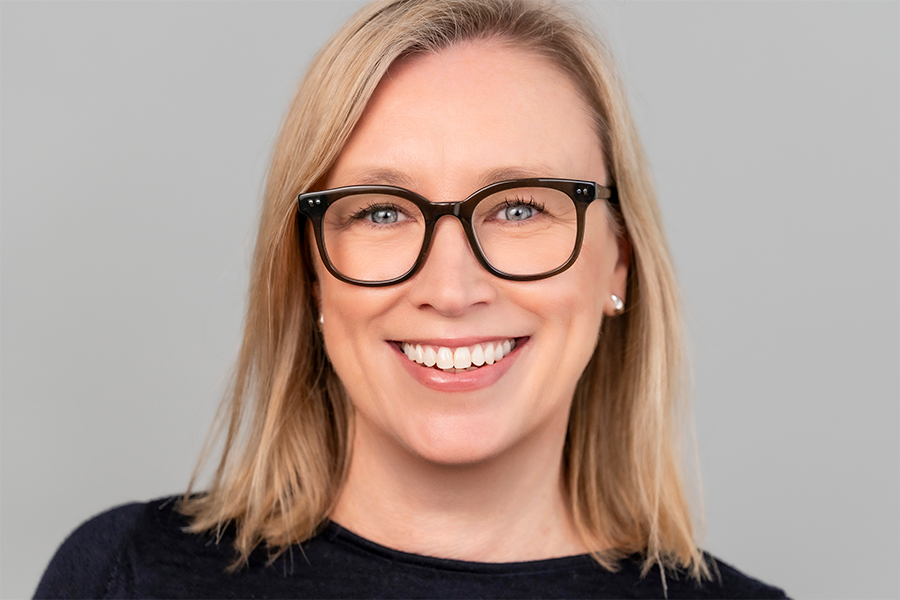
Nicole Rogerson
CEO, Autism Association of Australia
Profound Autism Advisory Committee
Kathrine Peereboom
Bob Buckley
Emily Pryde
Elisa Hill
Tim Pryde
Kerry Ann Morrell
Jayani Samaranayake
Jennifer Grove