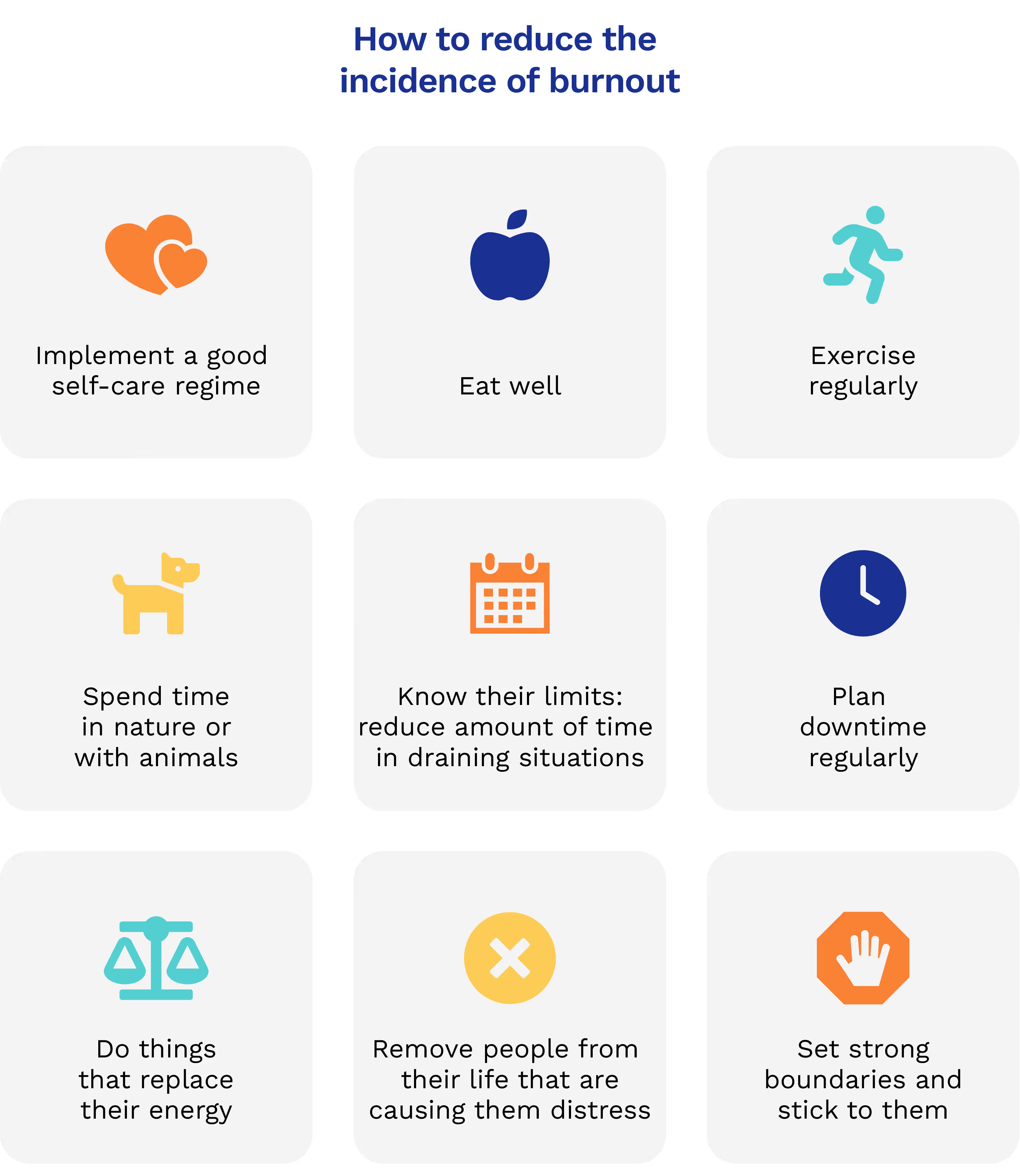

People are becoming more aware of burnout in environments like schools, workplaces, and the community. However, identifying it can be hard, and it's often confused with just feeling tired after being busy.
This issue is particularly noticeable among those in the autism community, including autistic individuals and their parents or carers. They are more susceptible to burnout due to various reasons, so it is crucial to identify these unique challenges in order to provide the right support and interventions.
Understanding autistic burnout
What is autistic burnout?
Autistic burnout is a specific type of burnout experienced by individuals on the autism spectrum. While it shares some similarities with the burnout that neurotypical people experience, it tends to be more intense and longer-lasting. Signs of autistic burnout can include severe physical and mental exhaustion, increased repetitive behaviours, reduced tolerance for change and sensory inputs, and a loss of abilities such as speaking and living independently. Other serious effects can include anxiety, depression, and even suicidal thoughts or behaviours.
Impact of autistic burnout
Burnout can significantly affect an individual’s ability to function in their daily life. It may lead to increased difficulty in managing emotions, resulting in outbursts, meltdowns, and severe anxiety or depression. Social withdrawal is common, as individuals might find it harder to engage in typical social interactions, including digital communication like texting or using social media. Physical symptoms such as extreme tiredness, mental fog, and increased or decreased sensory perception are also prevalent.
What can cause autistic burnout?
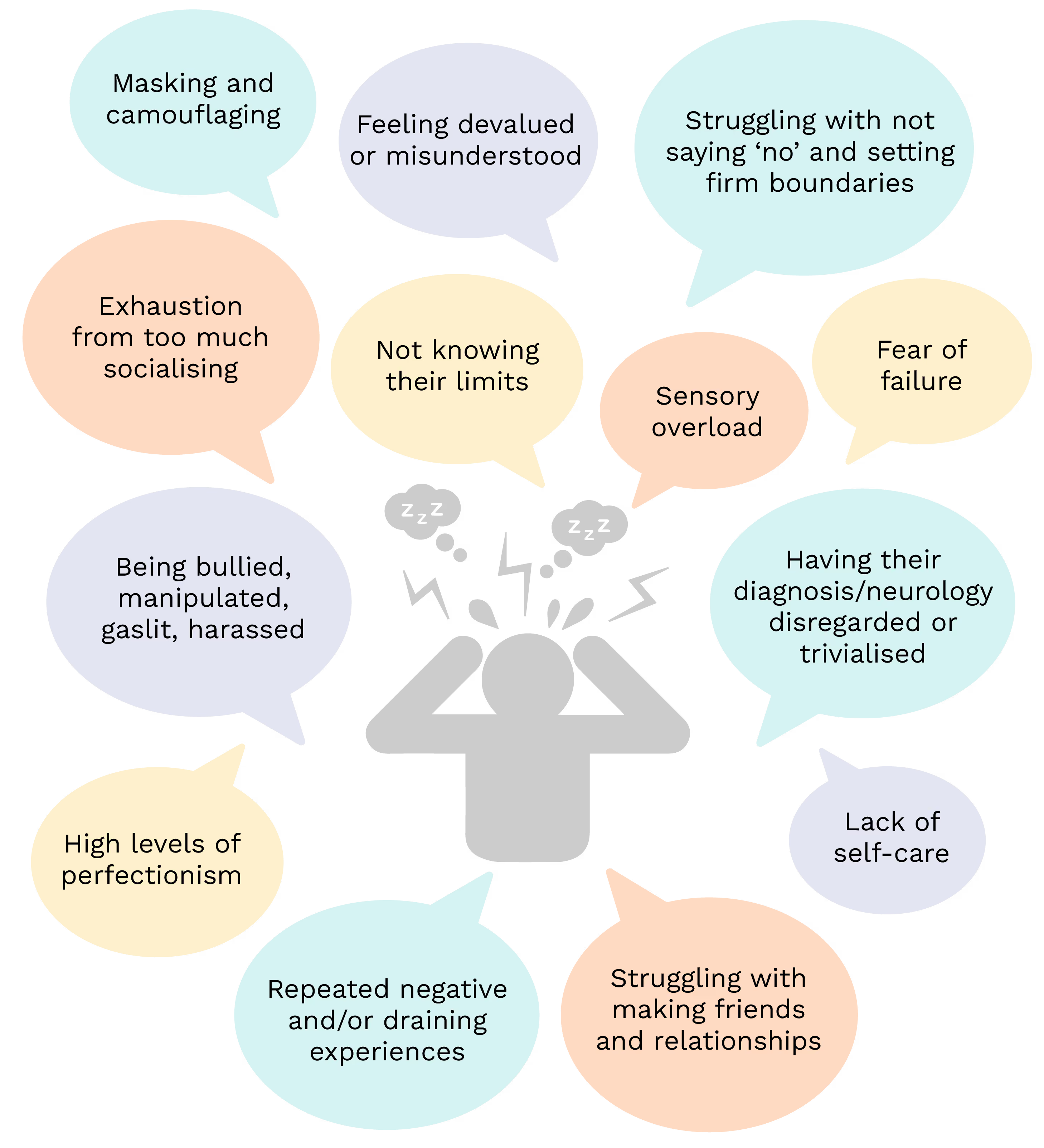
- Long periods of overstimulation: Autistic individuals often encounter environments that can lead to sensory overload, such as noisy, crowded public transport or overly stimulating workplaces and educational settings.
- Masking autistic traits: Many autistic individuals feel pressured to hide their autistic traits to fit into a neurotypical world. This masking can involve suppressing behaviours like stimming or forcing social interactions that feel unnatural.
- Challenges with daily tasks: Everyday tasks requiring planning, organisation, and multitasking can be particularly draining for those on the autism spectrum, significantly contributing to burnout.
- Dealing with change: Big or sudden changes, especially without enough support, can be unsettling and lead to increased stress and the risk of burnout.
Recognising and preventing burnout
Autistic burnout can have serious consequences, so it’s important to understand its complexities to help prevent it and manage its effects. Those experiencing burnout, along with their support networks, need to recognise the signs and take proactive steps to address and prevent burnout whenever possible. This involves developing strategies that meet the specific needs of the autistic individual and making broader changes in their environments to be more accommodating and understanding of neurodiversity. With the right support and interventions, recovery is possible, enabling individuals to regain their strength and continue thriving in their personal and professional lives.