Does Fiji even have autism?
Does Fiji even have autism?
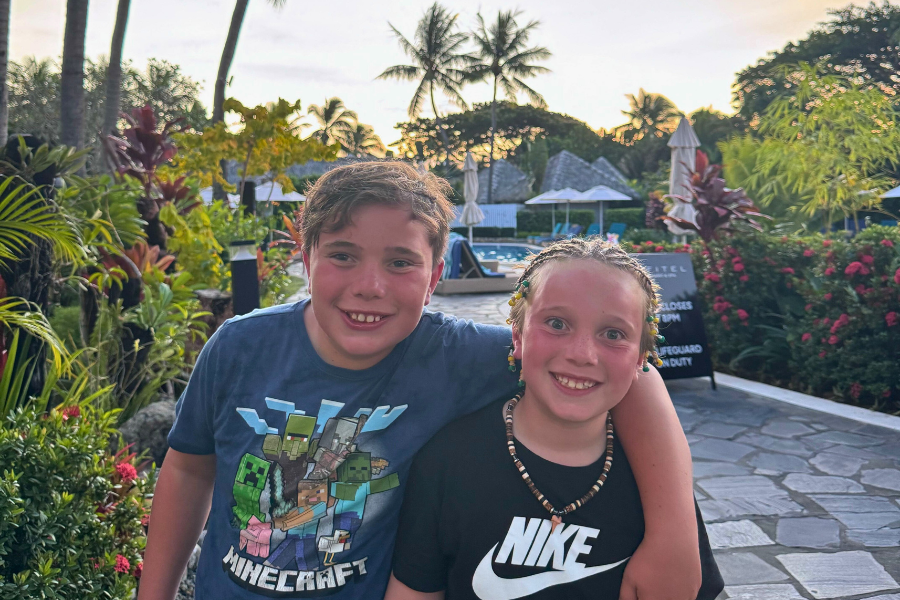
As the mum of two adventurous and energetic boys - eleven-year-old Hugo, a Minecraft and Pokemon expert (and who also has Level 2 Autism Spectrum Disorder, Sensory Processing Disorder, ADHD, anxiety, dyslexia, insomnia, and asthma), and his rugby-obsessed eight-year-old brother Zak -, each journey is a carefully choreographed mix of adventure and support. When we planned our getaway to Fiji, I found myself asking… would an island known for crystalline reefs and warm “Bula!” greetings truly understand autism? I was eager to find out.
Here’s the full story of our trip, from the moment we left Australia to our final Fijian sunset, showing how inclusion, adaptability, and island magic combined to create the easiest, most relaxing holiday we’ve ever experienced.
Sunflower lanyard magic
Our first test came at Sydney Airport, where queues and bustling crowds can unsettle anyone. Hugo clipped on his bright sunflower lanyard, a discreet but powerful symbol indicating a hidden disability and suddenly, airport check-in transformed into a playful treasure hunt. Following the “yellow sunflower road,” we breezed through security: staff noticed the lanyard, offered us express lane access, and guided us to the front of every queue without a single explanation or awkward conversation. That simple symbol saved us over an hour of waiting time, setting a relaxed tone before we even reached Fiji. When arriving in Fiji, greeted by the cheerful sound of ukuleles and singing, I spotted the very long immigration queue ahead. Without a whisper of a word, an official looked at us, I pointed to my son’s sunflower lanyard, and he pointed to the express line where we were the first to pass through immigration, saving us a hot, loud and long wait.
Entertainment and exploration at 30,000 feet
With no Wi-Fi on the horizon, we took no chances. We loaded devices with Hugo’s favourite shows and movies, and packed a stash of his go-to snacks and beloved fidget toys. Sure enough, once airborne, the cabin was offline. Instead of creating stress, these preparations turned the flight into part of the adventure. Hugo remained calm, immersed in his familiar screen time, and even tried sampling the plane meals, carefully picking what he liked and politely declining items that didn’t suit him. Watching him confidently manage these new tastes and experiences at altitude was a reminder that the right tools can turn potential hurdles into triumphs.
Establishing our poolside routine
There’s something to be said for routine in an unfamiliar place. Each morning, we were up before dawn, and as they say, the early bird gets the worm. In this case, to claim the best sun lounges by the pool! Hugo thrived on knowing exactly where we’d be each day, while I relished the panoramic view of the ocean and pool slide. Around 11 am one day, one fellow traveller challenged our dominance of the lounges, but I simply smiled and reminded her that waking up early earns these coveted spots. That small moment of standing our ground made the rest of our days completely stress-free.
Beauty, inclusion and genuine acceptance
The Fijian people radiate warmth and genuine acceptance from resort staff to local families. They have a deep-seated love for children that transcends all differences. One of my favourite memories is of a staff member who spotted Hugo repeatedly doing handstands in the shallow end. Without hesitating, he joined Hugo in the pool, laughing and encouraging him in an impromptu handstand contest. Over the next eight days, that same staffer (and many others) greeted us by name, engaged Hugo in games, and ensured he felt celebrated rather than singled out. In a place where every interaction felt personal, Hugo experienced inclusion as an everyday gift. Something he doesn’t always get to experience from others on the school playground or at more local holidays.
Managing mealtimes from buffets, snacks and small victories
Navigating food on holiday can feel daunting for any traveller, but especially for a child in food therapy. I pre-packed Hugo’s favourite snacks and pre-read menus to guarantee safe options. Yet it was the resort’s daily buffet that stole the show. Hugo bravely sampled over fifteen new dishes, though lobster and prawns didn’t make the cut, and he politely declined the more heavily spiced dishes. His biggest culinary conquest? Trying Sprite, overcoming its fizz and effervescent texture - a major sensory hurdle. While he won’t be ordering it regularly and something we don’t have at home, that single sip was cause for celebration. The occasional themed-night menus and select restaurants remained off-limits, but by prioritising flexibility and choice, each mealtime became an opportunity for adventure and empowerment.
When Fiji shines for neurodivergent kids
Our trip’s highlight reel reads like a blueprint for inclusive travel.
Beach and lagoon freedom: The resort’s shallow, crystal-clear lagoon gave Hugo the chance to wander safely, building sand castles, exploring tidal pools, and splashing at his own pace, all while I maintained a comfortable vantage from our lounger.

Snorkelling Triumph: Months of at-home practice with snorkels and fins paid off. We embarked on a half day adventure to snorkel reefs and visit a turtle sanctuary. To our surprise at the first stop, Hugo leapt from the boat with confidence, swam the coral reef solo, and even paused mid-swim to point out vibrant tropical fish. Meanwhile, his usually fearless brother clung to my hand, surprised by his own nerves.
Friend-Making: My rugby-obsessed eight-year-old, Zak, thrived at the daily kids’ rugby matches, fish-feeding sessions, and the water-slide queue, making friends wherever he went. Hugo joined in when he felt like it or happily followed his own interests, free from judgement.
Cultural Enthusiasm: By day two, Hugo was greeting every staff member with a cheerful “Bula!” and “Vinaka,” absorbing local customs and language with gusto. Watching his pride as he connected with people was one of the trip’s sweetest rewards.
Yes, the tropical heat and unfamiliar scents could sometimes be overwhelming, but every step was met with compassion by the Fijian people.
Moments of reflection
One afternoon, exhausted from the midday sun, I turned to my husband and laughed, “Does Fiji even have autism?” In that moment, it dawned on me: of course they do, but the conversation about diagnosis or difference never arose here. Hugo took breaks when needed, embraced independence in mastering new skills (key for high-school prep), and navigated each day like a seasoned explorer. His comfort and confidence transformed our holiday from managing challenges to celebrating triumphs.
Autism is everywhere, and inclusion is a choice
So, does Fiji even have autism? Absolutely, but here, autism didn’t define Hugo’s holiday; Fijian kindness did. Autism, like every aspect of humanity, exists wherever there are people and families. What set Fiji apart was not its medical or health services, but the everyday choices of its people to treat every child with genuine kindness and inclusion.
This was, without a doubt, our most relaxing holiday to date. A note to fellow Fiji travellers… pack your patience alongside your sunscreen, embrace the unexpected, and recognise that your child’s unique perspective can turn every journey into an extraordinary adventure. As our Fijian friends say, “Don’t say goodbye, it’s ‘see you soon,’” and I know we’ll return to that paradise sooner rather than later.
Nicole Hurley, parent and Head of Partnerships at Autism Awareness Australia.